The EU considers applying the "Blocking Statute" in response to U.S. sanctions targeting the ICC
Minh Khanh
Tuesday, May/12/2026 - 06:52
(L&D) - The European Union (EU) is considering the possibility of using the “Blocking Statute” to counter U.S. sanctions against the International Criminal Court (ICC), in a context where internal consensus within the bloc has yet to be reached and diplomatic solutions continue to be prioritized.
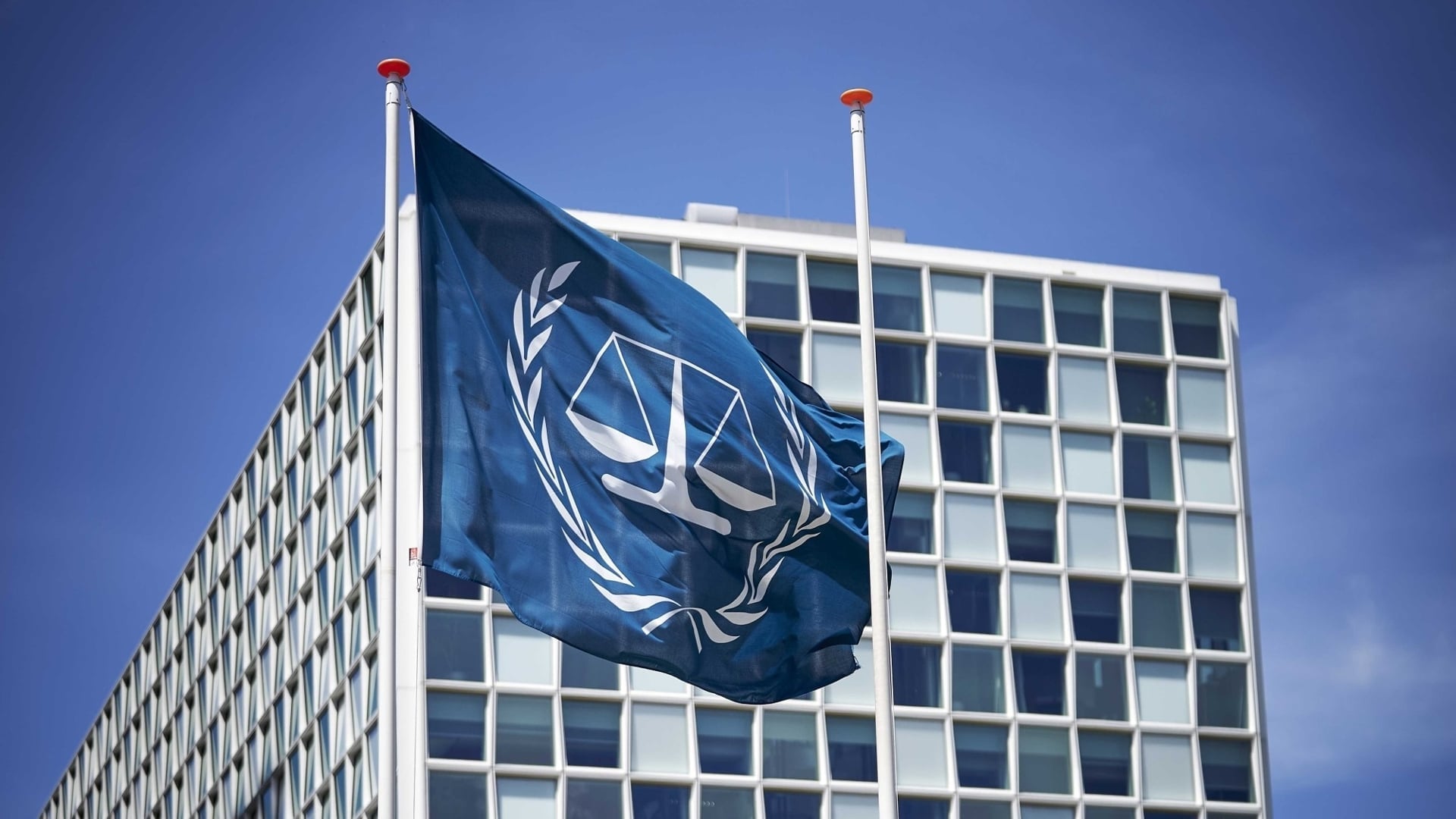
Illustrative image. Source: Internet.
The European Union (EU) is currently considering the possibility of applying the “Blocking Statute” to limit the impact of sanctions imposed by the United States on the International Criminal Court (ICC). However, this issue is revealing differences in views within the EU, as Member States have not yet reached agreement on whether this legal instrument should be used. While some opinions argue that clear legal measures are needed to protect European individuals and organizations associated with the ICC from external impacts, others remain cautious and believe that the deployment of legal instruments such as the “Blocking Statute” should be carefully considered.
In official statements, the EU has so far only expressed that it “deeply regrets” the U.S. decision to impose sanctions on ICC officials, while continuing to emphasize the importance of ensuring the Court’s independent functioning. Meanwhile, some civil society organizations and Members of the European Parliament have called for a stronger EU response. However, recent statements from representatives of the European Commission indicate that the focus remains on engagement, advocacy, and dialogue measures aimed at persuading the United States.
The “Blocking Statute” is a legal instrument of the EU, established under Council Regulation (EC) No 2271/96 of 1996, intended to protect EU individuals and businesses against the extraterritorial application of laws by third countries. According to the European Commission, this instrument is used to limit the effects of external legal measures that the EU considers inconsistent with international law.
The “Blocking Statute” allows for the nullification, within the EU, of the effects of judgments based on foreign laws, while also providing a basis for EU entities to claim compensation for damages and not to comply with requirements arising from such laws. This instrument was previously used by the EU to counter U.S. sanctions imposed on Cuba, Iran, and Libya in 1996.
At present, the scope of the “Blocking Statute” mainly covers U.S. measures relating to Cuba and Iran. Notably, after the U.S. withdrawal from the Iran nuclear agreement, the EU updated this instrument in 2018 to include U.S. extraterritorial sanctions against Iran within its scope, thereby mitigating impacts on EU entities engaged in lawful business activities with Iran.
Earlier, in February 2025, U.S. President Donald Trump signed an executive order imposing sanctions on the International Criminal Court (ICC). According to the White House, this decision was made in the context of ICC investigations and procedural measures concerning U.S. citizens and U.S. allies, including Israel. The United States considers these actions “illegitimate and unfounded” and beyond the jurisdiction of the ICC, as the United States and several concerned countries are not parties to the Rome Statute - the instrument establishing and defining the jurisdiction of the ICC.
The executive order authorizes measures such as asset freezes and entry restrictions against officials, staff, and individuals identified as being involved in ICC activities. For its part, the ICC has criticized these measures, stating that they could undermine the independence and judicial functioning of an international institution established to prosecute serious crimes.
(PLPT) - After a nearly two-year investigation, the European Union (EU) has imposed a €200 million fine on e-commerce platform Temu for failing to adequately assess and manage risks related to the sale of illegal products on its platform. The case is the latest example of the EU's efforts to strengthen the accountability of digital platforms under the Digital Services Act (DSA).
(L&D) - The European Union has officially adopted new regulations aimed at strengthening water resource protection by adding a number of pollutants to the list of substances subject to stricter monitoring and control, including PFAS - a group of synthetic chemicals that are difficult to decompose and are also known as “forever chemicals” - as well as microplastics and pharmaceuticals.
(L&D) - The ruling invalidating multiple tariffs imposed by President Donald Trump is giving rise to a new form of dispute in the United States: consumers are suing businesses for failing to refund costs allegedly incurred as a result of those tariffs.
(L&D) - More than 70 families in Texas are suing SpaceX, blaming Starship rocket launches for having caused vibrations, loud explosions and property damages near the launch site. The lawsuit raises questions about corporate responsibility in the development of commercial space activities in residential areas.
(L&D) - The rapid development of social media platforms is posing multiple consequences for users, especially children, ranging from harmful content to risks of privacy violations. In response to this situation, many countries have begun to tighten regulation over these platforms, establishing clearer requirements regarding responsibility for content control and user protection.
(L&D) - Berlin has put forward a proposal to increase the tax on spirits within the trajectory of public health reform, sending a clear message that alcoholic beverages can no longer remain outside regulatory instruments for public health and budget balance.
(L&D) - A federal district court judge criticized an attorney in the state of Indiana for copying and pasting AI-generated content into court filings, stating that the individual failed to fulfill the duty of legal research and content verification, instead delegating such responsibilities to artificial intelligence.
(L&D) - President of the Republic of Korea Lee Jae Myung and the First Lady are scheduled to pay a state visit to Viet Nam from April 21 to 24, 2026, at the invitation of General Secretary and President To Lam and the First Lady. This is a high-level external relations activity taking place in the context of the Viet Nam - Republic of Korea relationship continuing to develop positively, especially following the establishment of the Comprehensive Strategic Partnership framework between the two co